
AI SEO
SEO Has Changed.
Here’s How to Win Anyway.
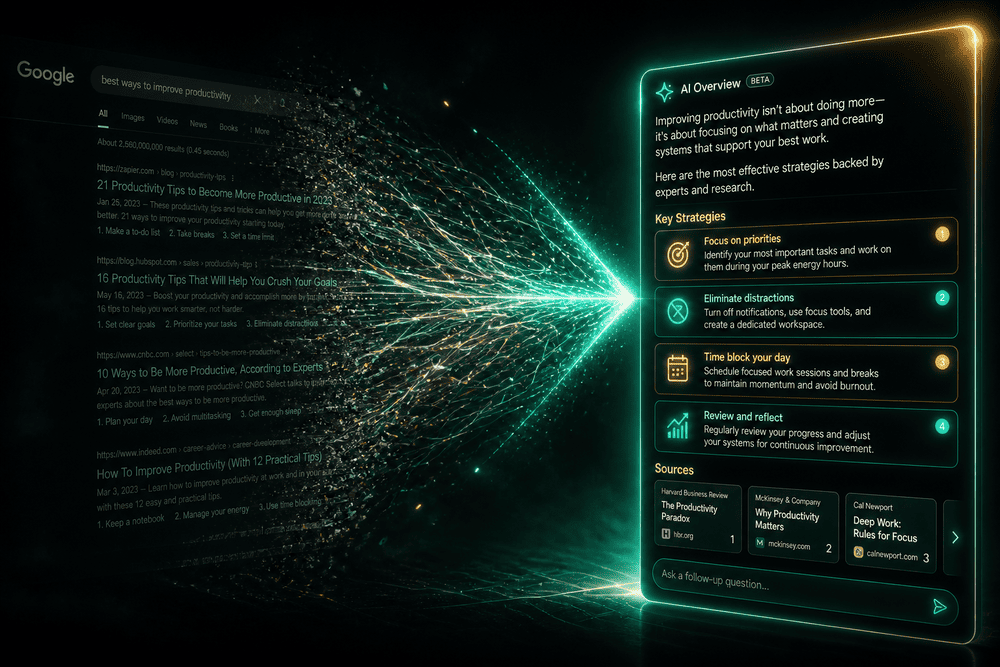
AI Overviews, ChatGPT, Perplexity, and Gemini have rewritten the rules of search discovery. Traffic no longer flows only through ranked blue links — it flows through AI-generated answers that cite, summarize, and surface content on your behalf. This hub covers the frameworks, audits, systems, and tactics practitioners are using right now.
QUICK ANSWER
What Is AI SEO?
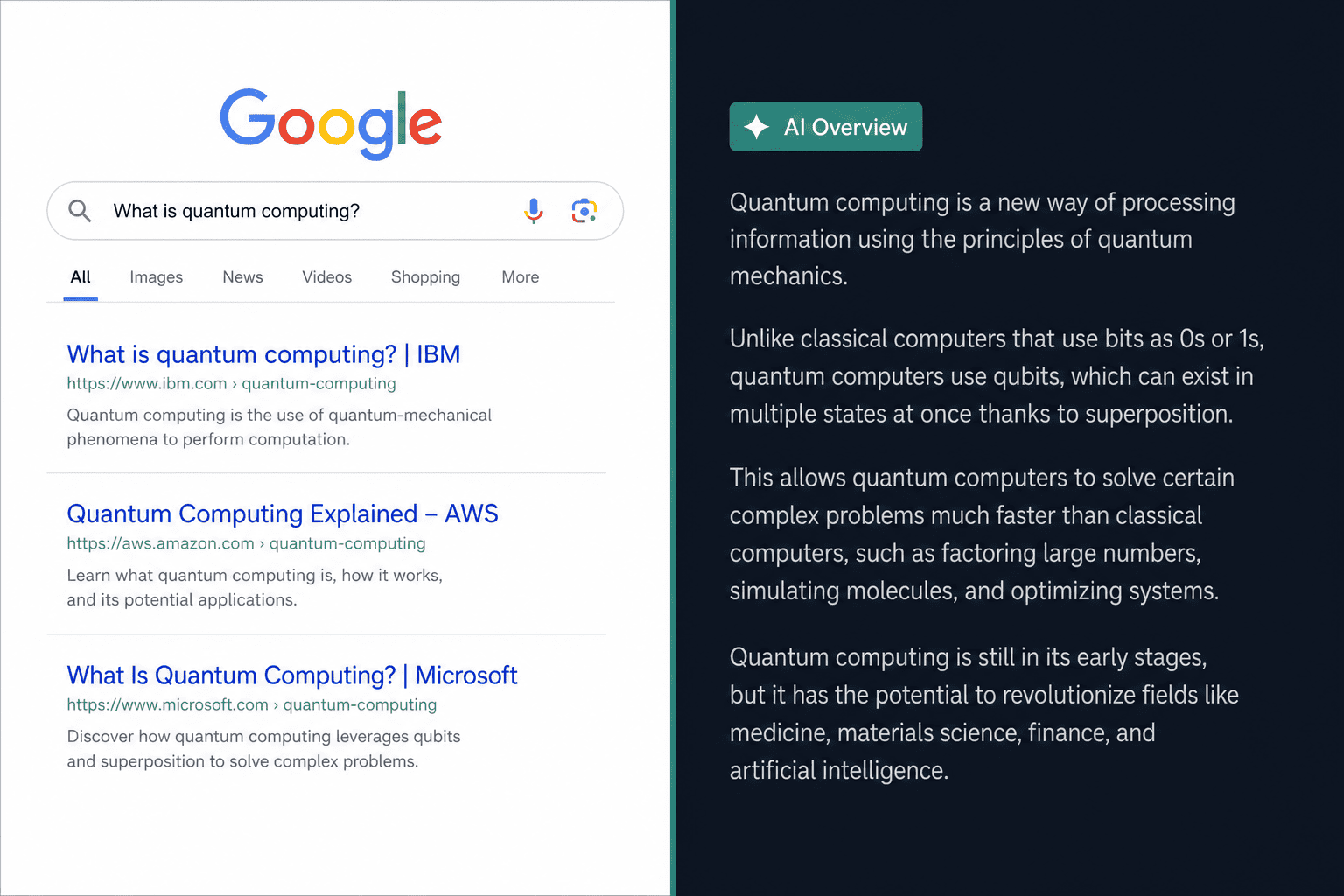
AI SEO is the practice of optimizing content so it ranks in traditional search results and gets cited inside AI-generated answers from platforms like Google AI Overviews, ChatGPT, and Perplexity. It combines classic technical SEO with Answer Engine Optimization (AEO), Generative Engine Optimization (GEO), and Large Language Model (LLM) content structuring.
The shift matters because AI-generated answers are now the first result millions of searchers see — before any ranked link. If your content is not structured to be cited, it is invisible to this growing layer of search. AI SEO closes that gap.
THE FRAMEWORK
Three Disciplines. One Strategy.
AI SEO is not one tactic — it is three overlapping disciplines that now need to operate as a unified system.
The Framework
Three Disciplines. One Strategy.
The structural base. Technical performance, crawlability, backlink authority, and on-page optimization remain non-negotiable — they determine whether AI models trust and index your content in the first place.
Emerging Layer
Answer Engine Optimization (AEO)
The practice of structuring content so AI assistants and answer engines extract and surface it as a direct response. Snippet blocks, FAQ schema, and atomic answer patterns are the core tools.
Advanced Layer
Generative Engine Optimization (GEO)
The discipline of making content citable by Large Language Models inside AI-generated answers. Entity clarity, information density, and structured content architecture drive citations in ChatGPT, Perplexity, and Google AI Overviews.
FLAGSHIP INTELLIGENCE
How AI Is Changing SEO in 2026
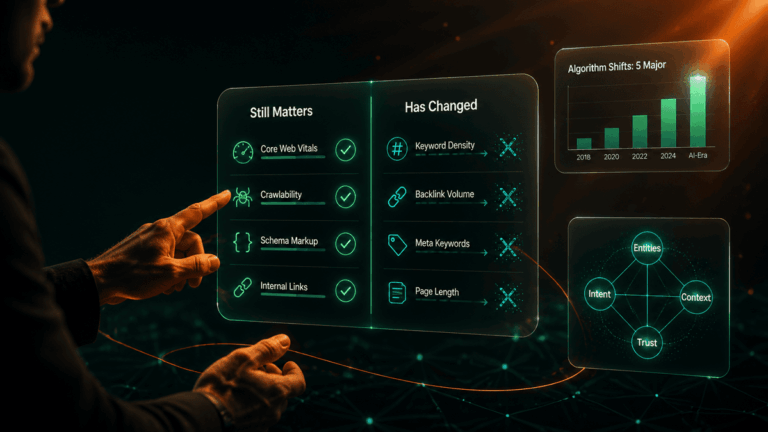
The definitive AEO Insider briefing on what has actually shifted in search — which signals still matter, which ones are losing weight fast, and where the citation economy is heading. If you read one piece before building your AI SEO strategy, make it this one.
THE AI SEO INDEX
Everything in This Category
Every article in the AI SEO hub is written for practitioners who already understand basic search — not beginners looking for definitions. Expect frameworks, systems, data, and direct recommendations.
-
LLM Optimization: How to Make Content Model-Friendly
Quick answer: LLM optimization means writing paragraphs a RAG system will actually surface for a real question — not just paragraphs following word-count rules. Retrieval is governed by meaning, measured as vector similarity. The only reliable way to know if your content clears that bar is to test it against…
-
KPIs for AI-Native SEO and GEO: The Complete Measurement Framework for 2026
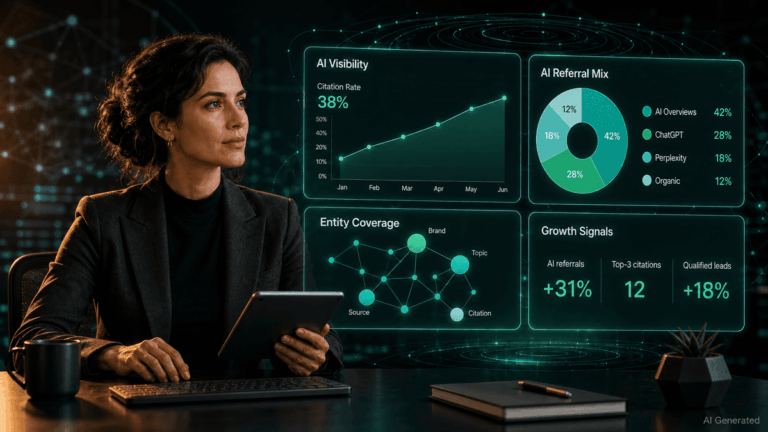
The complete KPI framework for AI-native SEO and GEO — covering AI Overview citation tracking, AI referral traffic measurement, entity authority signals, and how to build a reporting dashboard that captures performance across both traditional search and AI answer engines.
-
AI SEO Agency vs Doing It Yourself: How to Decide
A decision framework for choosing between hiring an AI SEO agency and doing it in-house — covering true costs, capability requirements, and the situations where each approach wins.
-
How AI SEO Agencies Actually Deliver Results
What AI SEO agencies actually do, how they structure service delivery, and what results to expect — a practitioner’s guide to understanding AI SEO agency operations beyond the marketing pitch.
-
Technical Foundations for AI-First SEO: What Still Matters and What Has Changed
Technical SEO is not dead — it is the prerequisite. Before AI models can cite your content, they need to trust your site. Here is what the technical foundation looks like in an AI-first search environment.
-
How to Blog for AI SEO and LLMs in 2026
Blogging still works in 2026 — but the structural rules have changed. Here is exactly how to write blog posts that rank in search and get cited by ChatGPT, Perplexity, and Google AI Overviews.




Stay Ahead of AI Search.
Weekly AEO, GEO & AI SEO intelligence for marketers who want their content cited by AI. No fluff.
EXPLORE THE FULL LIBRARY
More From AEO Insider
AI SEO doesn’t operate in isolation. The frameworks here connect directly to content workflows, automation systems, and monetization models.
GEO & AEO
Winning citations in answer engines and generative search
Explore GEO & AEO →
Workflows
AI content systems for teams and solo operators
Explore Workflows →
Automation
Make, Zapier, scripts, and AI agents at scale
Explore Automation →
Monetization
Affiliate stacks, productized audits, owned-audience revenue
Explore Monetization →
Tools
Vetted comparisons and alternatives for every use case.
Explore Tools →
FREQUENTLY ASKED QUESTIONS